
Specialist Supervision in Parental Estrangement and Parental Alienation Counselling

Specialist Supervision in Parental Estrangement and Parental Alienation Counselling

Supporting Practitioners in Complex Relational Landscapes
 

Understanding the Clinical Complexity

Clients navigating parental estrangement and alienation frequently experience profound psychological distress. Themes of shame, a sense of “damage,” social isolation, and deep emotional torment are common, particularly when the rupture involves adult children with whom strong affective bonds remain.

For the estranged parent, the rupture can feel like an act of cruelty. This emotional wound is often intensified by ambiguity, unanswered questions, and the loss of anticipated future milestones. The uncertainty surrounding how to respond to such a profound rupture frequently permeates daily functioning, eroding well-being and creating a sustained psychological burden.

For us as practitioners, these cases are uniquely demanding. They can evoke strong countertransference, complex ethical dilemmas, and diagnostic uncertainty, especially where neurodivergence, trauma, personality dynamics, or systemic factors intersect.

Asperger Syndrome, Autism Counselling, Best Practice Guidelines, Neurodiverse Clients, Autism Therapy, Therapeutic Adaptations, Masking, Anxiety and Autism, Autism Professionals, Clinical Guidance

A Reflective and Specialist Supervisory Space

I offer a structured and ethically grounded space to help you navigate these high-stakes therapeutic relationships. My supervisory approach focuses on:

  • Complex Relational Dynamics: Unpacking the layers of conflict and disconnection within the family system.

  • Autism and Neurodivergence within Estrangement: Identifying how neurodevelopmental differences may be influencing communication or contributing to the rupture.

  • Shame and Identity Narratives: Supporting you as you help clients process the profound “spoiled identity” that often accompanies alienation.

  • Boundaries and Therapeutic Positioning: Ensuring you maintain a safe, neutral, and effective stance while working within emotionally charged narratives.

Asperger Syndrome, Autism Counselling, Best Practice Guidelines, Neurodiverse Clients, Autism Therapy, Therapeutic Adaptations, Masking, Anxiety and Autism, Autism Professionals, Clinical Guidance

A Reflective and Specialist Supervisory Space

I offer a structured and ethically grounded space to help you navigate these high-stakes therapeutic relationships. My supervisory approach focuses on:

  • Complex Relational Dynamics: Unpacking the layers of conflict and disconnection within the family system.

  • Autism and Neurodivergence within Estrangement: Identifying how neurodevelopmental differences may be influencing communication or contributing to the rupture.

  • Shame and Identity Narratives: Supporting you as you help clients process the profound “spoiled identity” that often accompanies alienation.

  • Boundaries and Therapeutic Positioning: Ensuring you maintain a safe, neutral, and effective stance while working within emotionally charged narratives.

Safe, Competent, and Thoughtful Practice

Given the sensitive nature of estrangement and parental alienation, specialist understanding is essential. My goal is to provide you with the reflective “holding” you need to work competently with these families while maintaining your own professional resilience.

Whether you are seeking ad-hoc consultation on a specific case or ongoing specialist supervision, I am here to support your clinical journey.

The Sanctuary, A Space for Embodied Healing

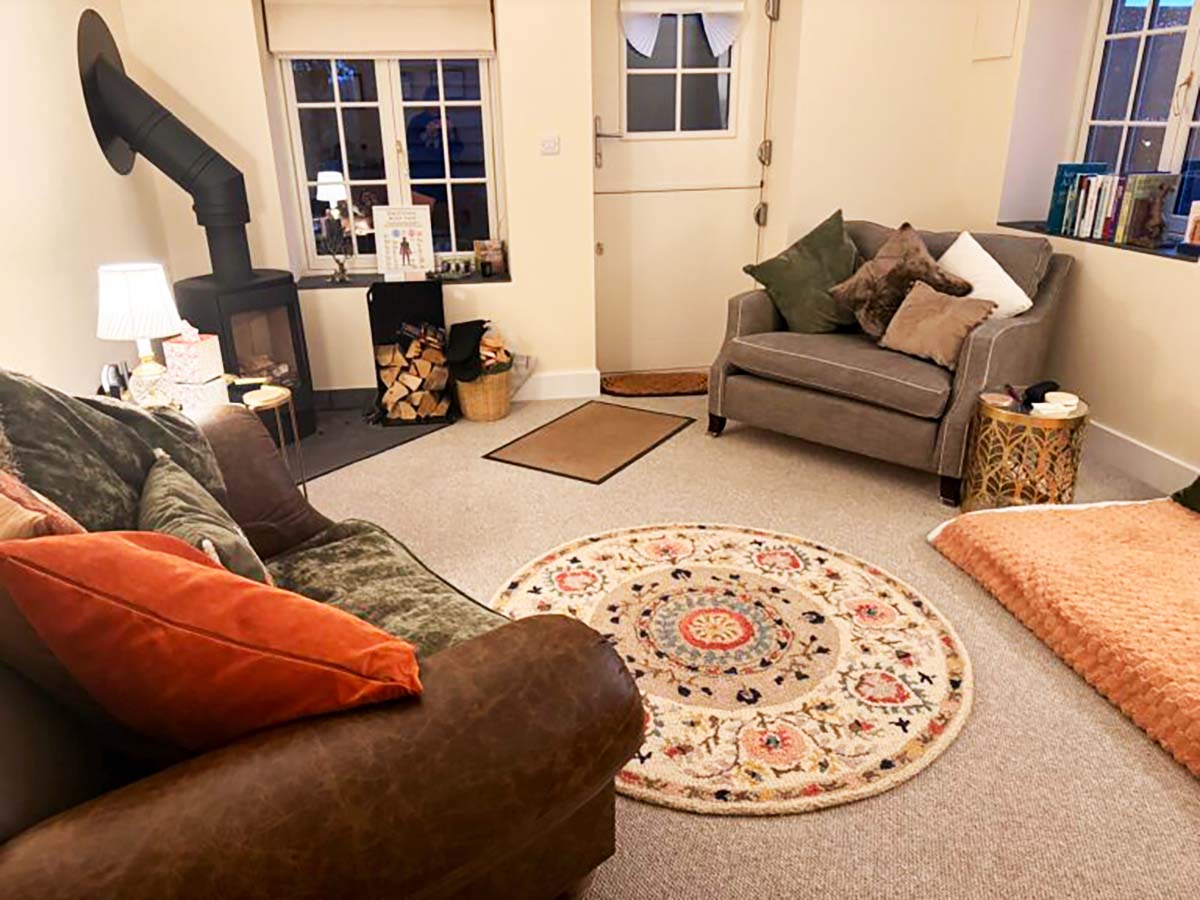
Whether we meet to explore your neurodivergent identity or to process deep-seated trauma, the environment we work in is a vital part of your therapeutic journey. My practice in Weldon, Northamptonshire, is more than just an office; it is a sensory-informed sanctuary designed to support both traditional talking therapy and deep, somatic work.

A Room That Listens to Your Needs

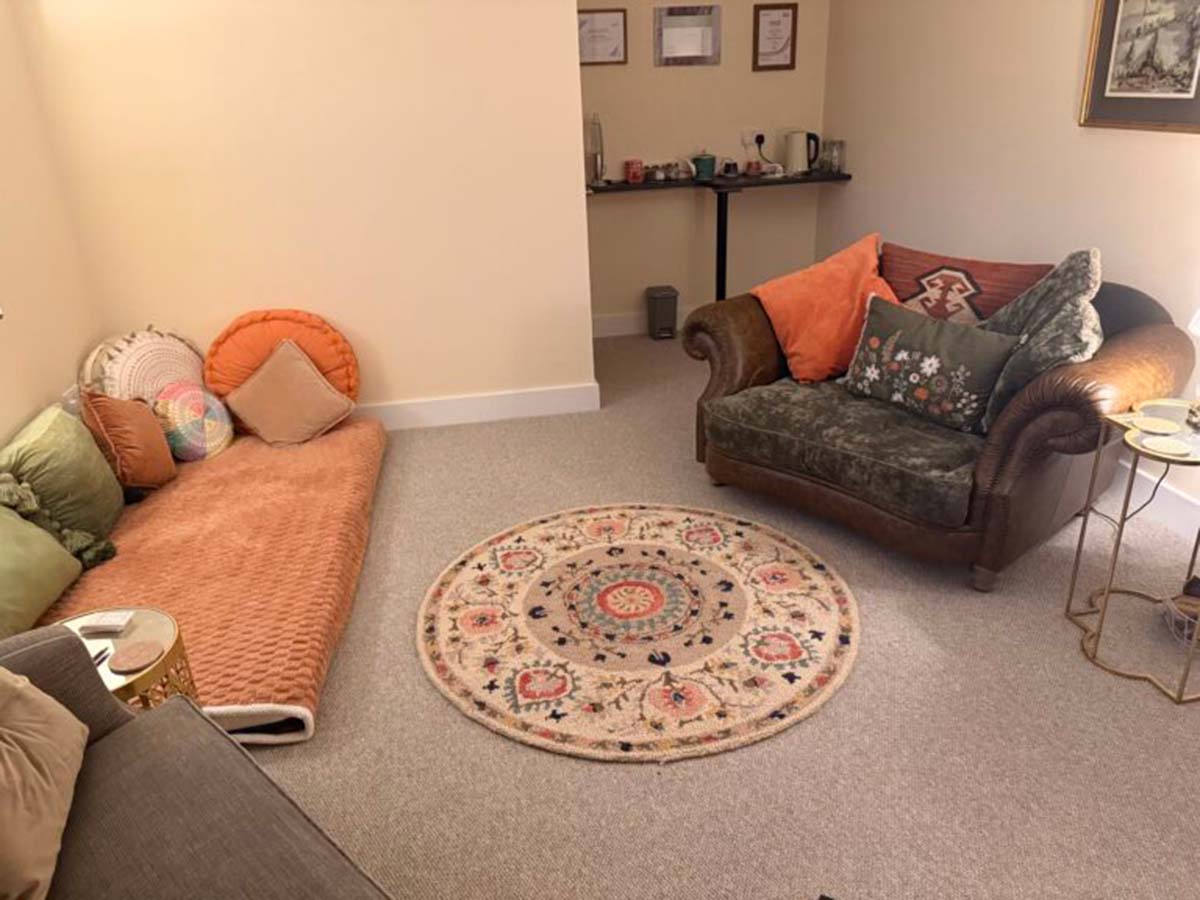
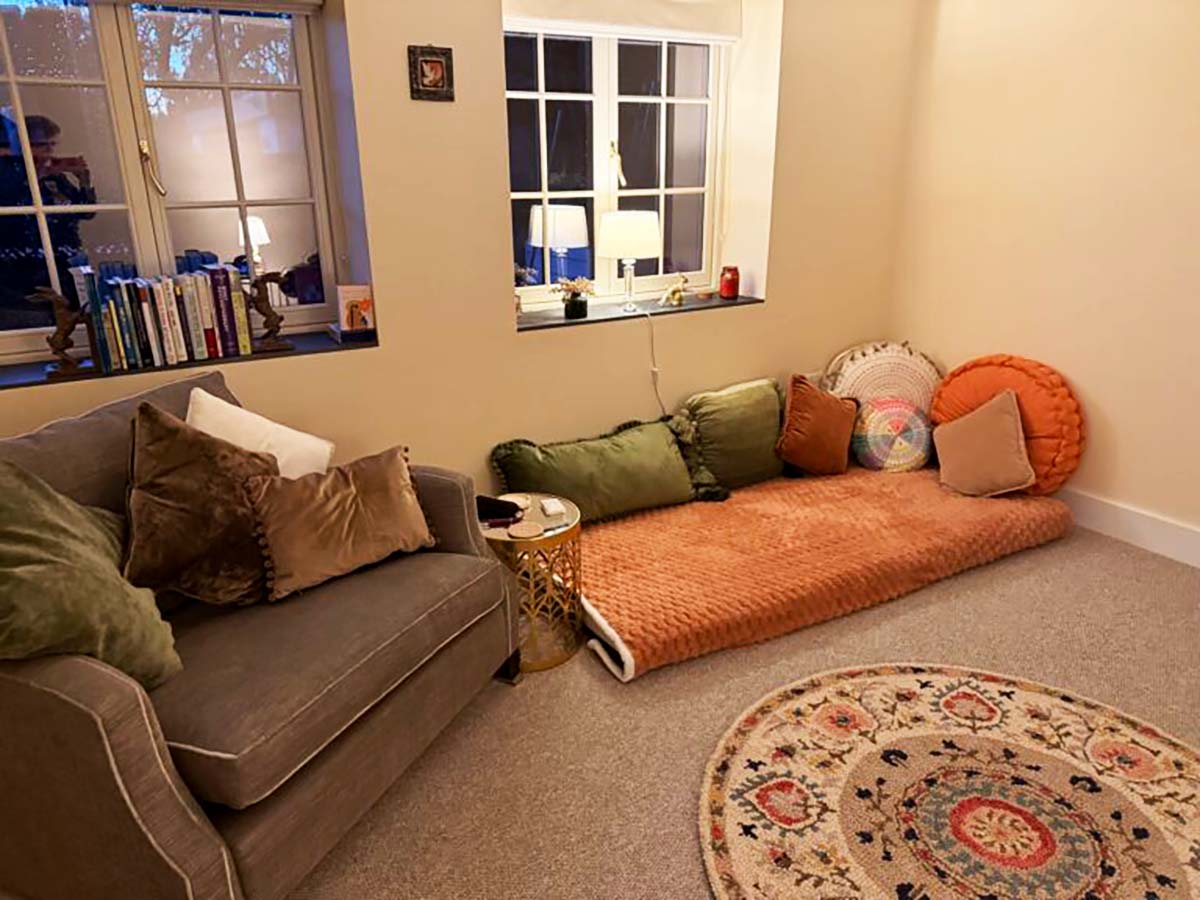
I believe that your physical surroundings should offer the same validation and safety as our conversation. The therapy room features:

Comfort and Choice: Most clients enjoy our exceptionally comfortable “snuggler” chairs, which provide a relaxed yet supportive space for dialogue.

A Grounded Environment: For those engaging in body psychotherapy, a floor-based mattress configuration is available. This low-hierarchy arrangement enhances your sense of grounding and proprioceptive awareness, helping you feel truly supported by the earth beneath you.

Nature as a Co-Therapist: Large windows offer a calming view of the garden, providing a connection to the natural world that many find deeply grounding.

Sensory Warmth: During the colder months, the gentle visual rhythm and warmth of a log-burning stove provide an extra layer of sensory comfort to support our work.

If you would like to learn more about my dedicated somatic practice and the philosophy behind this embodied approach, I warmly invite you to visit my Body Psychotherapy website.

In-Person Connection

While I continue to offer secure video consultations for accessibility, there is a unique, relational depth found in working together in person. As a body psychotherapist, I value the shared energy of a physical space where we can fully attend to the “wisdom of the body” and facilitate experiences of embodied peace
Discover my Services

Individual Autism Counselling

Autism-informed therapy for adolescents and adults experiencing anxiety, burnout, masking, trauma or identity challenges.

Neurodivergent Relationship Counselling

Support for couples navigating communication differences, emotional misunderstanding and the unique dynamics of autistic–non-autistic partnerships.

Autism Diagnosis and Assessment

A structured, thoughtful exploration of developmental history, sensory patterns and lived experience, guiding individuals toward clarity and appropriate diagnostic pathways.

Professional Supervision

Specialist supervision for counsellors and psychotherapists working with complex parental estrangement and parental aliencation cases and autism-related dynamics.

Family Therapy

Support for families experiencing communication breakdown, parental strain or estrangement within neurodiverse systems.

Publications

  • Autism and the Importance of Soft Toys

  • How do you know if your client has autism?

  • Guidelines for Working with Clients with Asperger Syndrome

  • Post-Traumatic Stress Disorder and ADHD

  • The Estrangement of Adult Autistic / Asperger Children

  • Asperger’s: What You Need to Know